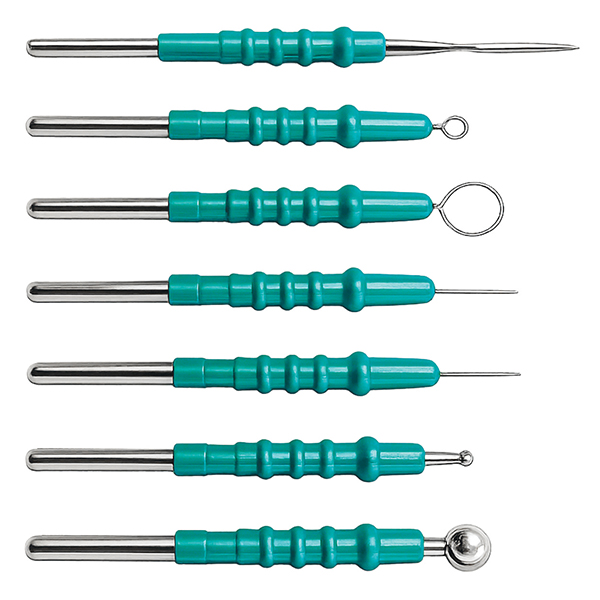
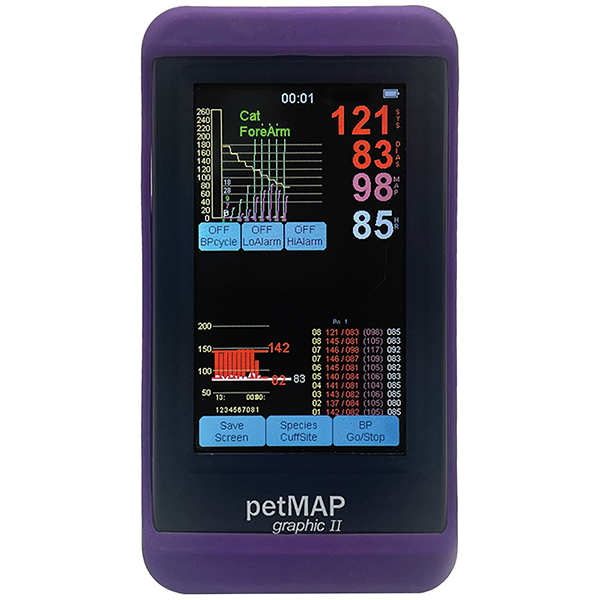
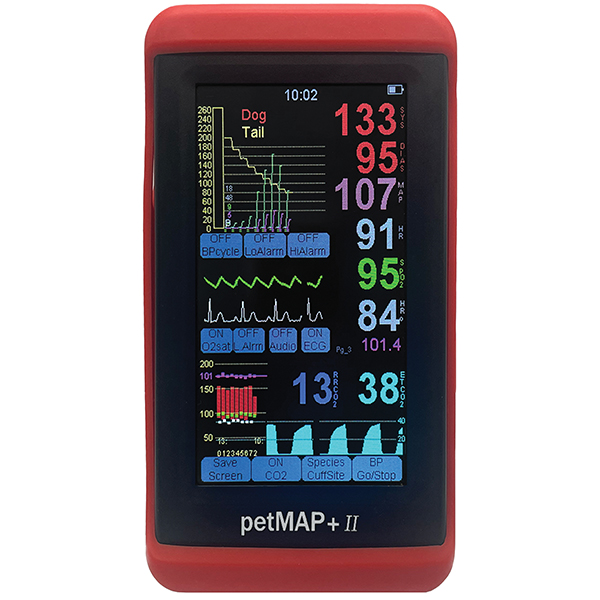
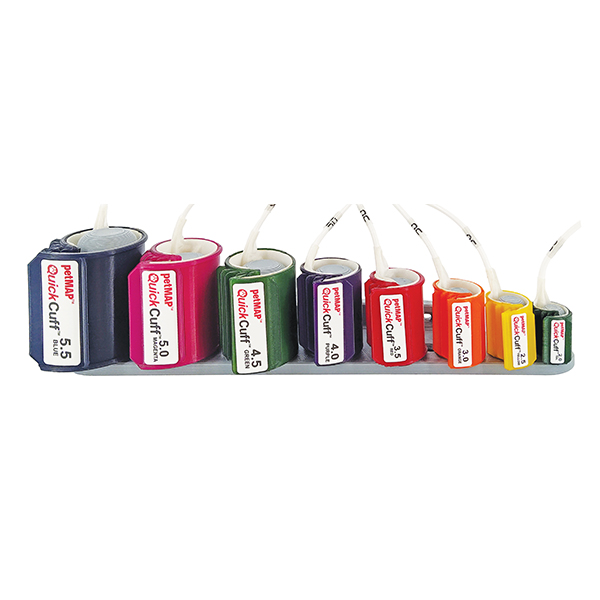
Electrosurgery for Animals refers to the use of advanced high-frequency electrical energy to perform precise surgical procedures in veterinary medicine. These systems are specially designed for use in animals, enabling veterinarians to cut, coagulate, and remove tissue efficiently while minimizing bleeding and improving surgical outcomes.
Veterinary electrosurgical units (ESUs) use controlled radiofrequency electrical currents to generate heat in tissue. This allows for accurate cutting, coagulation, desiccation, and ablation, making them highly effective for a wide range of procedures including tumor removal, soft tissue surgery, sterilization, and dental applications.
Modern veterinary electrosurgery devices are equipped with multiple working modes, including monopolar and bipolar functions, which provide flexibility for different surgical needs. For example, systems like the GB-3000 offer several cutting and coagulation modes to handle both routine and complex surgeries with precision and safety.
These units are widely used in veterinary clinics and hospitals because they help:
- Reduce intraoperative bleeding
- Improve surgical precision
- Shorten procedure time
- Enhance healing and recovery
Advanced systems also include digital control, automatic safety monitoring, and memory functions, ensuring consistent performance and ease of use during procedures.
Additionally, many veterinary electrosurgical systems integrate with smoke evacuation and filtration systems, improving visibility and maintaining a safer operating environment for both the surgical team and the animal.
Designed for both small and large animals, these devices are essential tools in modern veterinary surgery, offering reliable, efficient, and minimally invasive solutions for a wide range of clinical applications.